Heart-Healthy Nutrition: How What You Eat Directly Impacts Cardiovascular Health
-
April 29, 2026
- Posted by: Nina Rand
Heart disease is the leading cause of death in the United States, but the thing that often gets overlooked? What you eat every day is one of the most powerful tools you have to push back against it.
Not medication. Not a procedure. Your fork.
Whether you’re managing high cholesterol, high blood pressure, or have a family history of heart disease, understanding tailored dietary choices can make a difference. This guide offers practical, evidence-based principles that fit into real life, grounded in what cardiologists and researchers know about the relationship between food and heart health, helping you feel empowered to make informed decisions.
Small, consistent changes can add up. Let’s start there to help you feel capable of improving your heart health.
Why What You Eat Matters for Your Heart

Every time you eat, your body is processing that food in ways that directly affect your heart. The connection isn’t abstract…it’s happening in your bloodstream, your arteries, and the tissues lining your blood vessels, meal by meal.
Food influences your cholesterol, blood pressure, and inflammation, and choosing vegetables, whole grains, and healthy fats can actively lower your risk.
More than 1 in 3 Americans have cardiovascular issues, and your diet is a key factor you can control to reduce that risk.
One concept worth knowing is chronic inflammation. When the body is in a constant low-grade state of inflammation, often driven by a steady diet of processed and sugary foods, it accelerates damage to blood vessels and increases the risk of heart disease over time. The good news is that an anti-inflammatory way of eating can actively counteract this process. And you don’t have to be perfect to see results. Consistent, gradual improvement is the goal.
The Building Blocks of a Heart-Healthy Diet
There’s no single superfood that protects your heart, but there are whole categories of foods that consistently show up in the research as beneficial. Here’s what to lean into.
Fruits and Vegetables
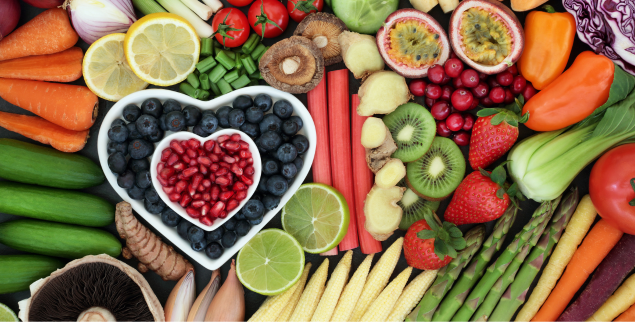
If there’s one place to start, it’s here. Aim to fill about half your plate with fruits and vegetables at most meals. The variety matters as much as the volume—different colors mean different nutrients.
Leafy greens deserve a special mention. They’re rich in natural compounds called nitrates that help relax and widen blood vessels, and research has found that people who eat the most of them can lower their cardiovascular disease risk by 12 to 26%. Berries bring antioxidants. Citrus fruits offer flavonoids that support vascular health. Deeply colored vegetables—think beets, red peppers, purple cabbage—are packed with protective compounds.
And don’t worry about fresh versus frozen: frozen vegetables and fruit packed in water or 100% juice are just as nutritious and often more affordable. This can help overcome concerns about access or cost, making healthy choices more achievable for everyone.
Whole Grains Over Refined Grains
Whole grains—oats, brown rice, quinoa, 100% whole-wheat bread—support healthy cholesterol and blood pressure and keep you fuller longer. Refined grains (white bread, white rice, most crackers, and pastries) are stripped of fiber and nutrients, and they cause blood sugar spikes that can raise triglyceride levels over time.
When reading labels, look for “whole grain” or “whole wheat” as the very first ingredient. If it says “enriched flour” first, it’s a refined grain product regardless of what the front of the package claims.
Healthy Fats vs. Harmful Fats
Fat is not the enemy. The type of fat is what matters. Unsaturated fats found in olive oil, avocado, nuts, and fatty fish actively support heart health by raising HDL (the “good” cholesterol) and lowering LDL (the “bad” kind).
The American Heart Association recommends keeping saturated fat, found in butter, full-fat dairy, fatty meats, and many packaged foods, to less than 6% of your total daily calories. Trans fats, which still appear in some processed foods, should be avoided entirely: they raise LDL and lower HDL, a double hit in the wrong direction.
Omega-3 fatty acids, found in salmon, walnuts, flaxseed, and sardines, are worth actively seeking out. They reduce inflammation and lower triglycerides—two meaningful wins for cardiovascular health.
Lean Protein Sources
Protein is essential, but the source matters. Fatty fish (aim for two servings a week), legumes like beans and lentils, skinless poultry, and low-fat dairy are all heart-friendly choices. When you do eat meat, “lean” means options like 95% lean ground beef, pork tenderloin, or skinless chicken and turkey.
Red meat and processed meats (bacon, sausage, deli meats) are consistently linked to higher cardiovascular risk in research, so they’re best treated as occasional rather than everyday choices. Plant proteins like beans, lentils, and tofu are particularly good swaps because they come with built-in fiber and zero saturated fat.
What to Limit: The Foods That Work Against Your Heart
None of these are outright bans. The goal is to limit, not eliminate, which is both more realistic and more sustainable over the long haul.
Sodium. High sodium intake is one of the biggest drivers of high blood pressure, and most Americans are consuming well above the recommended 2,300 mg per day, with an ideal target of under 1,500 mg for those already managing hypertension. The trickiest part is that sodium hides in places you might not expect: canned soups, deli meats, restaurant meals, condiments, and even bread. Reading labels becomes your best defense.
Added sugar. Sugar contributes to weight gain, raises triglycerides, and fans the flames of chronic inflammation. The guideline is to keep added sugar under 10% of daily calories—on a 2,000-calorie diet, that’s about 200 calories, or roughly 50 grams. The biggest culprits tend to be sugary drinks, flavored yogurts, and packaged snacks.
Saturated and trans fats. As mentioned above, these raise LDL cholesterol and promote the buildup of plaque in arteries over time. Found in full-fat dairy, fatty cuts of meat, fried foods, and commercially baked goods.
Ultra-processed foods. These tend to be high in sodium, added sugar, and unhealthy fats, a triple threat. Rather than trying to memorize a list of “bad” foods, get in the habit of flipping the package over and checking the Nutrition Facts panel. Front-of-pack claims like “natural,” “light,” or “heart-smart” are marketing. The label is the truth.
Alcohol. Moderate consumption is roughly neutral for many people, but heavy or regular drinking raises blood pressure and triglycerides. It’s worth a conversation with your doctor about where you personally stand.
Heart-Healthy Diets with a Track Record

Rather than starting from scratch, many people find it helpful to use an established eating framework as a guide. Two stand out in the research.
The DASH Diet
DASH stands for Dietary Approaches to Stop Hypertension, and it does exactly what the name suggests. Developed with blood pressure management in mind, it emphasizes fruits, vegetables, whole grains, lean protein, and low-fat dairy, while pulling back on sodium, red meat, and added sugar. It’s clinically validated, recommended by the American Heart Association and the NIH, and tends to be easy to follow because it’s built around recognizable, everyday foods.
The Mediterranean Diet
The Mediterranean diet centers on olive oil, fish, legumes, whole grains, fruits, and vegetables, with moderate amounts of wine for those who drink. It has one of the strongest research records for reducing the risk of heart attack, stroke, and cardiovascular death, and it’s consistently rated among the most sustainable eating patterns long-term, which matters more than any short-term result.
Neither of these needs to be followed to the letter to be useful. Many people naturally blend elements of both, or adapt them to fit their own food preferences and cultural backgrounds. Plant-based and flexitarian approaches show similar benefits and are worth exploring if they appeal to you. The underlying principles—more whole foods, less processed, healthy fats over harmful ones—are what matter.
Making Heart-Healthy Eating Work in Real Life
Knowing what to eat is one thing. Actually doing it, consistently, amid a busy life, is another. Here are some practical tools that help.
Reading Nutrition Labels
Flip the package over. The Nutrition Facts panel is where the real information lives. Focus on four things: sodium, saturated fat, added sugars, and serving size. That last one trips people up more than any other—a bag of chips or a bottle of juice that looks like one serving often contains two or three. The numbers on the label multiply accordingly.
And again: front-of-package marketing claims are not regulated the same way. “Light,” “natural,” and “health-conscious” don’t have standardized definitions. Check the panel.
Simple Meal Planning Habits
You don’t need a complicated system. A few small habits make a big difference: cook a batch of grains and a protein on the weekend so weeknight meals come together faster; build your plate around a vegetable base and work outward from there; keep easy, heart-friendly snacks on hand—nuts, fresh fruit, hummus, whole-grain crackers—so that when hunger hits, the default choice is a good one.
Eating Out Without Derailing
Restaurant meals don’t have to be a setback. Ask for sauces and dressings on the side. Choose grilled, baked, or steamed preparations over fried. Be aware that restaurant portions are routinely two to three times the size of a standard serving. Eating half and boxing the rest is a completely reasonable strategy. When in doubt, scan the menu for sodium-heavy descriptors: “crispy,” “creamy,” “loaded,” and “buffalo” are reliable signals.
The Long Game: Why Consistency Beats Perfection
Heart-healthy eating isn’t a 30-day challenge. It’s a long-term practice, and the benefits compound quietly over the years. You don’t need a perfect diet; you need a better one, sustained over time.
Diet is also just one piece of the picture. Physical activity, stress management, not smoking, and staying on top of any prescribed medications all work alongside the food choices you make. These aren’t competing priorities; they reinforce each other.
And you don’t have to figure this out alone. Working with your cardiologist or a registered dietitian to build a plan that fits your specific health history, preferences, and lifestyle is far more effective than following generic advice from the internet.
Start Somewhere

Food is one of the most direct levers you have for protecting your heart, and unlike many things in healthcare, it’s something you get to act on every single day. You don’t need to overhaul everything at once. Pick one or two things from this guide and start there—more vegetables at dinner. Check the sodium on the canned goods in your pantry. Swapping out one sugary drink a day.
If you’re managing high cholesterol, high blood pressure, or a family history of heart disease, we’re here to help build a plan that actually fits your life. Reach out to our team to schedule a conversation. We welcome referrals, new patients, and anyone who wants to understand their options better.
Frequently Asked Questions
What is a heart-healthy diet?
A heart-healthy diet prioritizes vegetables, fruits, whole grains, lean proteins, and healthy fats while limiting sodium, added sugar, saturated fat, and processed foods. The goal is to support healthy cholesterol levels and blood pressure and reduce inflammation over the long term.
What foods should I eat for heart health?
Leafy greens, berries, whole grains, fatty fish like salmon, legumes, nuts, and olive oil are among the most consistently evidence-backed choices. The Mediterranean and DASH diets are good frameworks built around these foods.
What is the best diet for high cholesterol?
A diet low in saturated and trans fat, high in fiber (from oats, legumes, fruits, and vegetables), and rich in omega-3 fatty acids can meaningfully lower LDL cholesterol. Both the DASH and Mediterranean diets support this goal.
What should I avoid if I have high blood pressure?
Sodium is the biggest dietary driver of high blood pressure. Processed foods, canned soups, restaurant meals, and deli meats are common high-sodium culprits. Limiting alcohol and added sugar also helps.
Is the Mediterranean diet good for your heart?
Yes, the Mediterranean diet has one of the strongest research records for reducing the risk of heart attack, stroke, and cardiovascular mortality. Its emphasis on olive oil, fish, legumes, and vegetables makes it both heart-protective and highly sustainable over the long term.
How does diet affect cholesterol?
Saturated and trans fats raise LDL (“bad”) cholesterol and contribute to plaque buildup in arteries over time. Replacing these with unsaturated fats, fiber-rich foods, and omega-3 fatty acids can significantly improve your cholesterol profile.