Here in the TCA Blog, we will provide you with the latest and most interesting need-to-know Texas Cardiology Associates of Houston updates and news.
Blog
Blog

10 Warning Signs Your Heart Is Trying to Tell You Something
July 25, 2026
No Comments
Your heart rarely fails without warning. In most cases, the signs were there—chest discomfort that seemed like indigestion, fatigue that got chalked up to a busy week, a racing heartbeat that came and went—things that, in the moment, all felt like they could be explained away. The problem isn’t that the heart doesn’t communicate. It’s…

Heart-Healthy Nutrition: How What You Eat Directly Impacts Cardiovascular Health
April 29, 2026
No Comments
Heart disease is the leading cause of death in the United States, but the thing that often gets overlooked? What you eat every day is one of the most powerful tools you have to push back against it. Not medication. Not a procedure. Your fork. Whether you’re managing high cholesterol, high blood pressure, or have…

GLP-1 Medications and Heart Health: What Cardiology Patients Should Know
April 11, 2026
No Comments
By now, you’ve almost certainly heard of Ozempic or Wegovy. These medications have dominated health headlines for a few years, mostly for weight loss and blood sugar management. But that’s only part of the story. Research shows that GLP-1 medications may help protect the heart, offering hope for those managing obesity, diabetes, or metabolic syndrome…
Genicular Artery Embolization for Knee Pain: A Non-Surgical Path Forward
March 15, 2026
No Comments
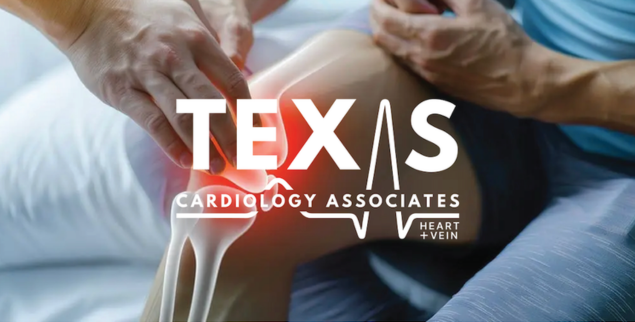
For many people living with knee osteoarthritis (OA), every step is a reminder of how much the condition affects daily life. Whether it manifests as difficulty climbing stairs, reduced independence, or simply the chronic ache that makes a good night’s sleep feel impossible, knee OA is more than a nuisance—it severely reduces quality of life….

Varicose Veins and Chronic Venous Insufficiency
December 3, 2025
No Comments
If you notice veins on your legs that appear raised, twisted, or achy by the end of the day, you’re not alone. These are often signs of varicose veins — one of the most common vein conditions in adults. In fact, about 25 million adults in the U.S. have them. While they can be bothersome…

Understanding the Watchman Procedure: What Atrial Fibrillation Patients Need to Know
October 30, 2025
No Comments
Living with atrial fibrillation (AFib) often means learning about new ways to keep your heart and overall health protected. One of the main concerns with AFib, a condition that causes an irregular heartbeat, is the increased chance of blood clots, which can sometimes lead to stroke. Traditionally, many patients manage this risk with daily blood-thinning…

Heart Health by Decade
April 10, 2025
No Comments
For 40 years, Texas Cardiology Associates has been dedicated to keeping hearts healthy and strong. As we celebrate our anniversary, we continue our mission to empower people of all ages with the knowledge and resources to properly care for their heart. Heart health is a lifelong commitment, yet so many people only start paying attention…

4 Smartphone Apps to Support Your Heart Health
February 10, 2025
No Comments
Smartphones give us access to a seemingly endless array of health-related apps that can support our goals. And as smartphone technology (very quickly) progresses, the phones themselves even come with built-in heart health features that make it seem like there’s a cardiologist in your back pocket — literally — at all times. You can quickly…

Daily Changes in the New Year
January 4, 2025
No Comments
Little Changes You Can Make in the New Year to Make a Big Impact on Your Heart Health There’s plenty of information out there on habits that are hurting your heart health, how to deal with inevitable stress, and all the big-bad-scary things in this world wreaking havoc on our cardiovascular systems. But that doesn’t…

5 Simple Ingredient Swaps for a Healthier Heart
December 3, 2024
No Comments
Eating a healthy, balanced diet is one of the most impactful decisions you can make for the good of your heart health. After all, food is medicine. But at the grocery store, we’re inundated with impossible-to-pronounce ingredients and fancy marketing phrases that make us think those not-so-healthy choices are better than they really are. So,…

Ways To Lower Stress
November 6, 2024
No Comments
How to Cultivate a Healthy Stress Response & Support Your Heart Health Stress is a fact of life. From emotional pressures to physical demands and even biochemical shifts, stress comes in many forms. And each one takes a toll on our bodies—especially our hearts. While stress is unavoidable, there’s good news: you can build a…

Habits Hurting Your Heart Health
August 28, 2024
No Comments
3 Habits That Hurt Your Heart Health You’ve heard all the sage advice on how to keep your heart healthy—diet, exercise, no smoking, less alcohol, etc. But the fact of the matter is about 805,000 people suffer a heart attack each year, and about 695,000 people die from heart disease—in the United States alone! The…

Everything You Need to Know About Venous Reflux
June 28, 2024
No Comments
Venous reflux, also known as chronic venous insufficiency (CVI), is a condition that affects the veins in your legs. It occurs when the valves in the veins malfunction, causing blood to flow backward and pool in the legs. This can lead to a variety of symptoms and, if left untreated, can result in serious health…

Know Your Risk: Here’s How to Understand & Manage CVD Risk Factors
May 20, 2024
No Comments
It’s no secret that helping you take care of your heart health is our number-one priority. After all, cardiovascular diseases (CVDs) are the leading cause of death globally, taking an estimated 17.9 million lives each year. According to the WHO, of these deaths, 85% are due to heart attack and stroke. And while some...
Read more

Employee of the Month
September 26, 2023
No Comments
Congratulations to Stanla for Employee of the Month September 2023! We are delighted to announce the first recipient of our Employee of the Month award. After careful consideration and review of numerous nominations, it is our great pleasure to recognize Stanla for Employee of the Month for September 2023! Stanla is our Referral Coordinator and…
Congratulations Dr. Prince!
September 21, 2023
No Comments
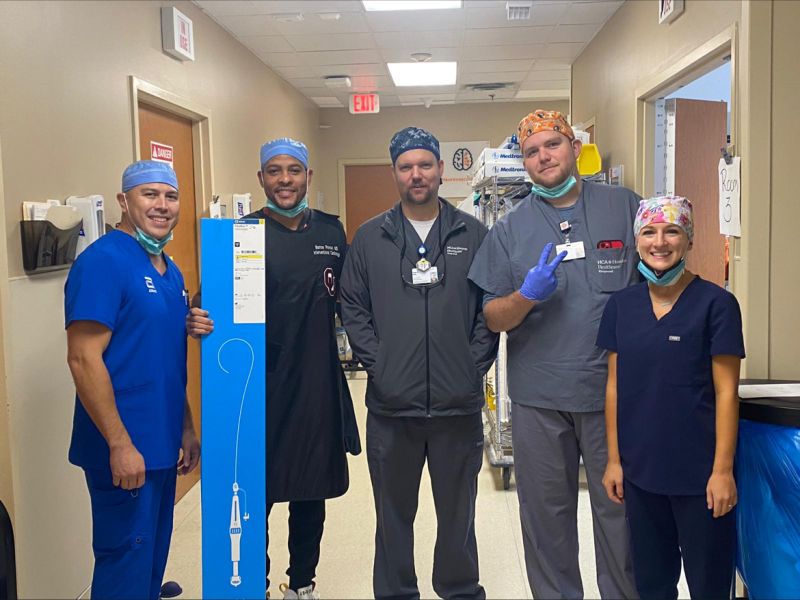
Dr. Prince was the first in the North Houston area to have implanted the Abbott Navitor™ with FlexNav™! We also extend our appreciation to HCA Kingwood Cath Lab and staff. Learn more about Dr. Prince by clicking here. Schedule an appointment with Dr. Prince today by clicking here or you may call us at 281-358-1950!

Should I See a Cardiologist?
March 18, 2021
No Comments
Should I See a Cardiologist How do I know when to see a cardiologist? There’s a good chance that you’re reading this because you’re wondering when to visit a Kingwood cardiologist like our physicians at TCAH. In the United States, heart disease is the leading cause of death for both men and women. It’s no…

Safe to Exercise with a Pacemaker?
March 11, 2021
No Comments
Is It Safe to Exercise with a Pacemaker? People with pacemakers often wonder whether it’s safe to exercise with a pacemaker. Oftentimes, they are nervous about returning to either their preferred exercise routine or some strenuous activity once they have the device implanted. While it’s important to let yourself heal after the procedure, exercise remains…

How to Lower Your Cholesterol: 5 Tips from TCAH
March 4, 2021
No Comments
Wondering how to lower your cholesterol? Whether you’re on medicine for your cholesterol or trying to improve your heart health, there are lifestyle changes with the potential to improve your cholesterol. Moreover, if you’re already on medication, they might even help to boost your medicine’s cholesterol-lowering power. For years, there’s been a lot of information…

Congestive Heart Failure
February 25, 2021
No Comments
What Is Congestive Heart Failure? Congestive heart failure, often simply referred to as heart failure, happens when your heart doesn’t pump blood as well as it is meant to. There are certain conditions that weaken or stiffen your heart over time, making it more difficult to fill and pump efficiently. These vary across a spectrum…

What is Interventional Cardiology?
February 19, 2021
No Comments
What is Interventional Cardiology Interventional cardiology is a subspecialty of cardiology that utilizes minimally-invasive procedures, non-surgical imaging, and diagnostic techniques to evaluate blood flow through the arteries and heart chambers. Interventional cardiologists use similar procedures to treat cardiovascular disease. A typical procedure employed in interventional cardiology involves the insertion of a catheter into the femoral…

How to Prevent Heart Disease
February 11, 2021
No Comments
How to Prevent Heart Disease: Four Factors to Help If you’re wondering how to prevent heart disease, you’re already on the right path. Unfortunately, heart disease is among the top causes of death among any gender. The good news, though, is that you can take steps to prevent it. Heart attacks and strokes are never…

Acute Coronary Syndrome
February 4, 2021
No Comments
Acute Coronary Syndrome: What’s That? If you’ve never heard of acute coronary syndrome (ACS) before, you might be more familiar with heart attacks or unstable angina. While those two conditions are well-known, they are also two examples of acute coronary syndromes. That’s because it’s an umbrella term covering situations where the blood supply for the...
Read more

The DASH Diet and Your Heart Health
January 28, 2021
No Comments
The DASH Diet and Your Heart Health The DASH diet, which stands for Dietary Approaches to Stop Hypertension, is often recommended to those who want to treat or prevent high blood pressure. High blood pressure impacts over a billion people across the globe, with that number rising steadily. Over a 40-year period, the number of...
Read more
Hypertension or High Blood Pressure: What’s the Difference?
January 14, 2021
No Comments
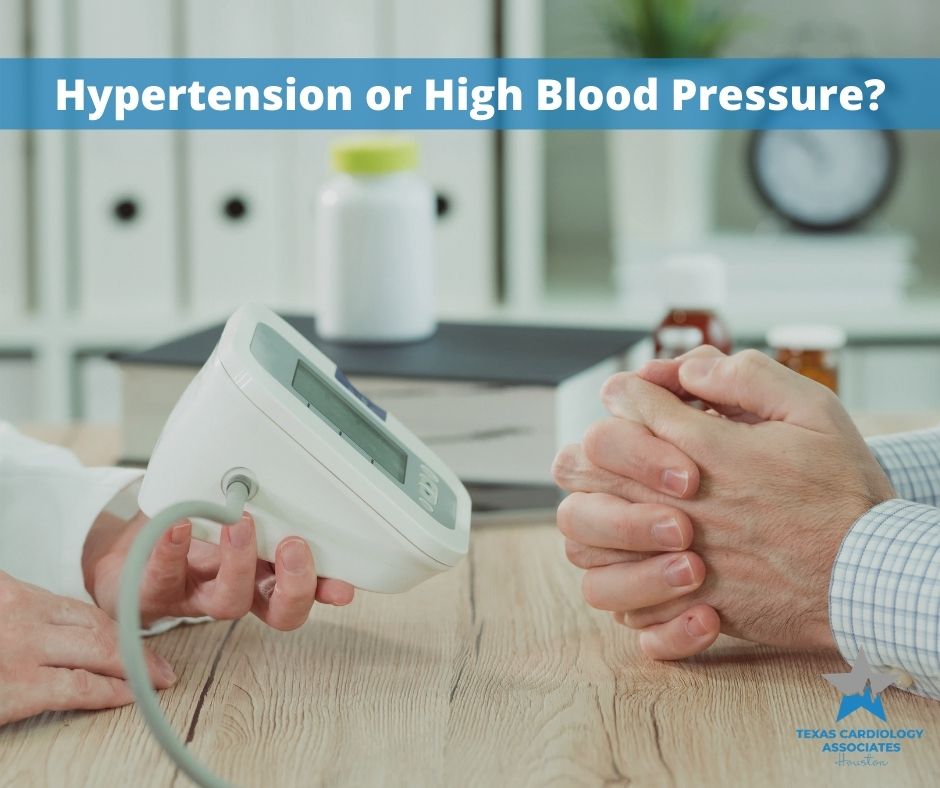
The truth of the matter is that hypertension and high blood pressure tend to get used almost interchangeably. What we have here is a number and a defined diagnosis. High blood pressure, which is also hypertension, means that your blood pressure is higher than normal levels. Throughout the day, our blood pressure changes based on...
Read more
Did You Know About TCAH?
December 18, 2020
No Comments
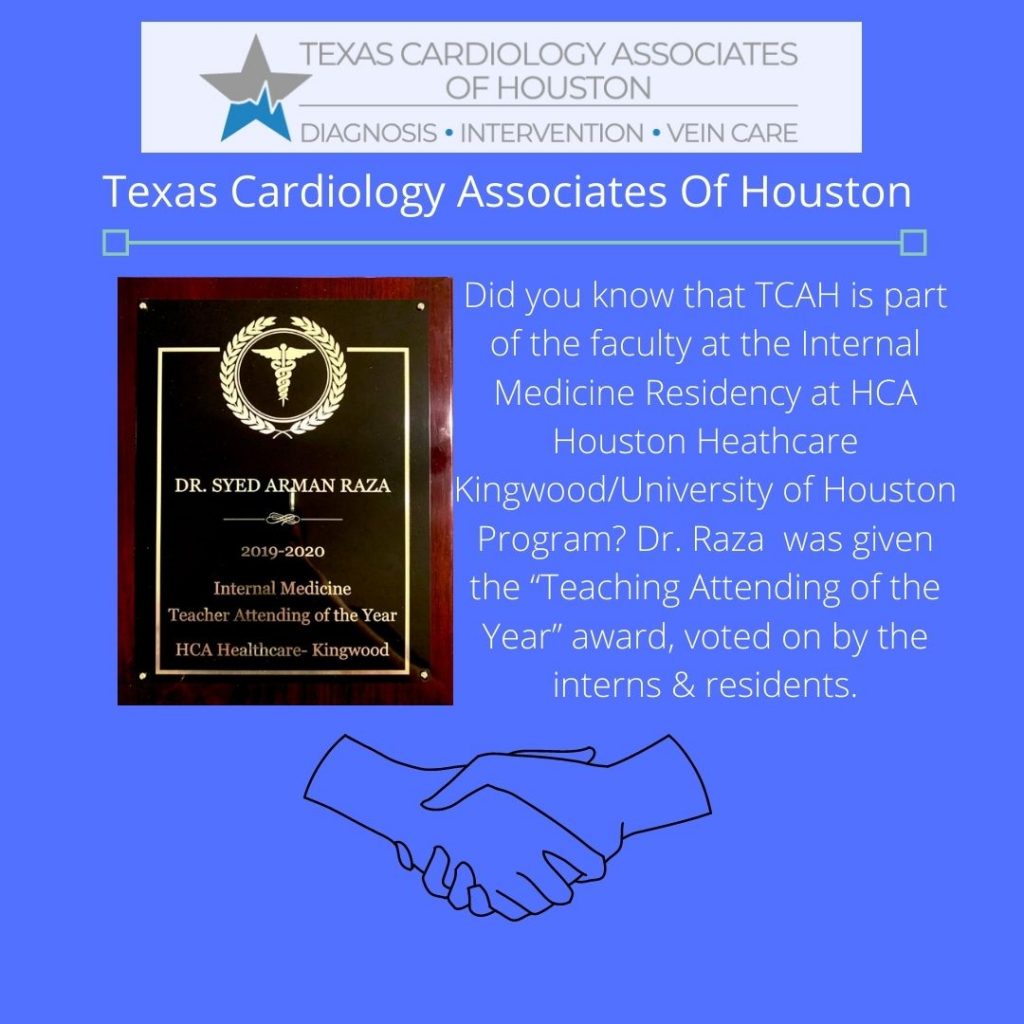
Did you know that TCAH is part of the faculty at the Internal Medicine Residency at HCA Houston Healthcare Kingwood/University of Houston Program? Dr. Raza was given the "Teaching Attending of the Year" award, voted on by the Interns & Residents. Isn't that exciting? Have you ever won an award?
Read more

Tell Us Your Favorite Thing About Thanksgiving!
December 18, 2020
No Comments
Texas Cardiology Associates Of Houston wants to wish all of our patients, friends and family, a wonderful and happy Thanksgiving! Tell us YOUR FAVORITE thing about Thanksgiving!
Read more
What is Blood Pressure? What Can You do About It?
December 18, 2020
No Comments
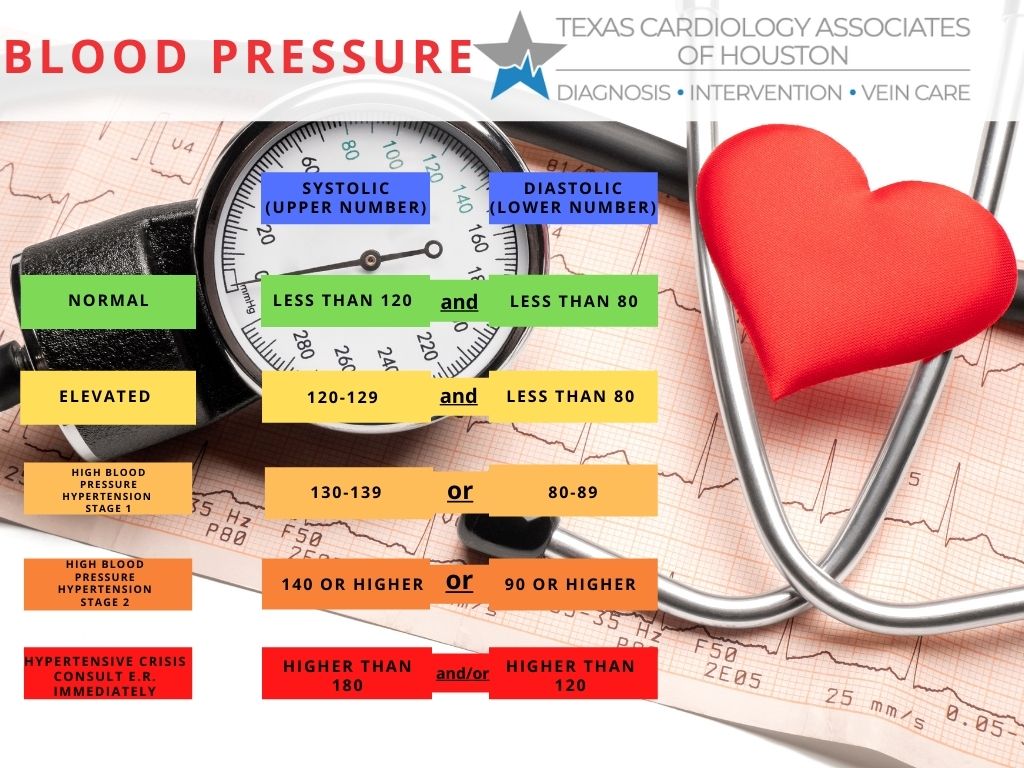
Lets talk about Blood Pressure! What is it? What is Normal? What is abnormal? What can you do about it? We’ve all heard about watching and maintaining a good blood pressure, but do we really know all the facts? Normal Blood pressure numbers of less than 120/80 mm Hg are considered within the normal range....
Read more