The Connection Between Sleep Apnea and Heart Disease
-
November 17, 2026
- Posted by: Nina Rand
The Connection Between Sleep Apnea and Heart Disease
People often think of sleep apnea exclusively as a sleep problem, a snoring issue, an annoyance for whoever shares their bed, but that’s not the whole picture. Untreated sleep apnea is also an increasing cardiovascular risk that’s linked to high blood pressure, heart disease, stroke, and more.
The numbers tell a striking story. An estimated one billion adults worldwide have some form of sleep apnea, and a significant portion of them don’t know it. The symptoms are easy to dismiss or attribute to other causes. There may not be any chest pain or dramatic symptom that sends someone to the doctor. Instead, people blame fatigue on a busy week, write off snoring as normal, and watch blood pressure creep up year after year without an obvious explanation. By the time sleep apnea is identified, it may have been doing cardiovascular damage for years. That’s what makes this condition so important to understand. Awareness is the first step toward doing something about it.
For many people, the heart implications quietly accumulate in the background, night after night. Whether you’ve been told you snore, you’ve noticed your energy isn’t what it used to be, or you’re a cardiology patient looking to understand every factor that might be affecting your heart, this blog was written for you. In it, we’ll cover what sleep apnea does to the cardiovascular system, which heart conditions it’s connected to, and what getting evaluated looks like. It’s more accessible than you might think.
What Is Sleep Apnea?
Sleep apnea is a condition where breathing repeatedly stops and starts during sleep. The most common form, obstructive sleep apnea, occurs when the soft tissue in the throat relaxes and temporarily blocks the airway. These breathing pauses can happen dozens of times per hour, each one briefly cutting off the body’s oxygen supply, and the person may not even realize it’s happening.
The symptoms, when they do surface, are easy to wave off:
- Loud snoring or gasping during sleep, often noticed by a partner before the person themselves
- Waking up feeling unrefreshed despite a full night’s sleep
- Excessive daytime fatigue or difficulty concentrating
- Morning headaches
- Irritability or unexplained mood changes
Sound familiar? These are the kinds of things people chalk up to aging, stress, or not getting enough hours in bed, which is why sleep apnea often goes undiagnosed for so long in so many people.
While sleep apnea is more common in men over 40 who are overweight or have a larger neck circumference, it affects people of all sizes, ages, and backgrounds. If the symptoms above resonate, that alone is worth a conversation with your doctor.
What Sleep Apnea Does to the Heart
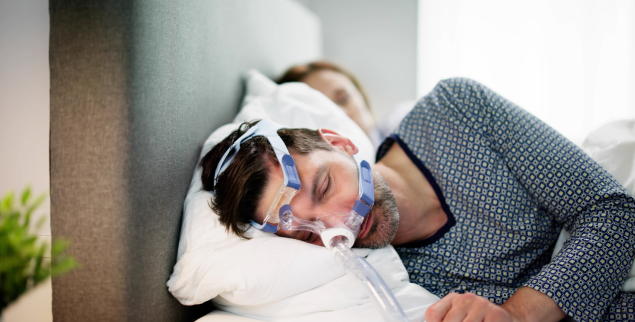
The connection between sleep apnea and cardiovascular disease isn’t coincidental. It starts with something that seems simple: oxygen, or lack thereof. Every time breathing stops during sleep, the body’s oxygen levels drop. This happens repeatedly and subtly while the person is completely unaware. Over the course of a single night, someone with moderate to severe sleep apnea might experience dozens, sometimes hundreds, of these episodes, each one setting off a chain reaction inside the body that, over time, takes a real toll on the heart and blood vessels. Here’s a more in-depth look at what happens inside the body when sleep apnea goes untreated.
The Oxygen Drop and the Stress Response
Each time breathing stops, blood oxygen levels fall, and the body treats this as an emergency. In response, it releases a surge of stress hormones, particularly adrenaline (epinephrine), to jolt the system back into action. In a person with untreated sleep apnea, this emergency response happens repeatedly throughout the night, every night.
Over time, those chronic adrenaline surges drive blood pressure up, not just during sleep, but throughout the day, and chronically elevated blood pressure is one of the primary drivers of coronary artery disease and ischemic heart disease, two of the most common and serious forms of cardiovascular disease.
The Downstream Damage
Each blood pressure spike puts stress on the walls of the blood vessels. Over time, that repeated stress damages the vessel lining and creates ideal conditions for plaque to accumulate. This process is known as atherosclerosis and is a common underlying cause of most heart attacks. Sleep disruption also raises LDL cholesterol and other blood fats, further compounding arterial damage. The cumulative result means that people with untreated sleep apnea are roughly twice as likely to have a heart attack compared to those without the condition, according to the National Library of Medicine.
The Arrhythmia Connection
Sleep apnea is also closely associated with heart arrhythmias, particularly atrial fibrillation (AFib). These repeated fluctuations in oxygen and the strain placed on the autonomic nervous system throughout the night can create conditions that trigger and sustain irregular heart rhythms. For patients already managing AFib or other arrhythmias, undiagnosed sleep apnea may be quietly working against their treatment.
Cardiovascular Conditions Linked to Sleep Apnea
The research connects untreated sleep apnea to a broad range of serious heart conditions:
- High blood pressure (hypertension)
- Coronary artery disease
- Heart attack
- Heart failure
- Stroke
- Atrial fibrillation and other arrhythmias
Why Getting Diagnosed Matters for Your Heart
If any of this sounds relevant to your situation, the good news is that getting evaluated is often easier than people expect!
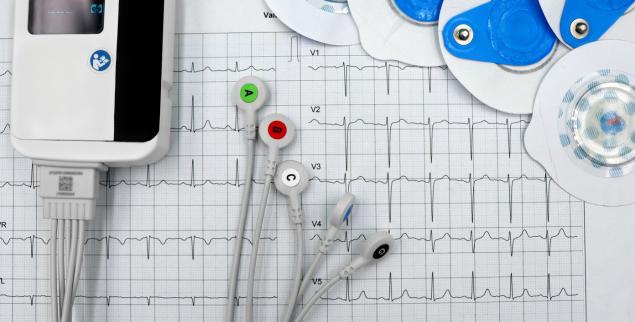
Diagnosis typically starts with a sleep study, and for most patients, that no longer means spending the night in a lab. Home-based sleep tests now account for the majority of sleep apnea diagnoses. The equipment is straightforward: a small monitor and a few sensors that measure oxygen levels, heart rate, airflow, and movement during sleep. For patients without other serious medical complications, a home test is accurate enough to confirm or rule out the condition.
If you’re unsure whether to pursue testing, a simple screening tool called STOPBANG can help. It’s a short questionnaire based on symptoms and risk factors—snoring, daytime fatigue, blood pressure, age, BMI, neck size, and gender—and a “yes” to three or more questions generally warrants a conversation with your doctor.
When treatment is needed, options include:
- CPAP (continuous positive airway pressure): The most widely used and effective treatment. A CPAP machine delivers a steady stream of air through a mask to keep the airway open throughout the night.
- Lifestyle changes: Weight loss, adjusting sleep position, and limiting alcohol before bed can all significantly reduce sleep apnea severity.
- Surgical options: Available for select patients when anatomy is a contributing factor.
For cardiovascular patients specifically, the case for treatment goes well beyond sleeping better. Studies show that treating sleep apnea with CPAP can reduce blood pressure, improve heart function, and may lower the risk of future cardiovascular events. If you’re already managing heart disease, coronary artery disease, high blood pressure, or arrhythmia, sleep apnea is something worth ruling out as part of a complete cardiovascular picture because the two conditions interact directly, and treating one while leaving the other unaddressed can limit how much progress is possible.
Getting evaluated isn’t just about the quality of your sleep; it’s about protecting your heart.
Take the Next Step
 Sleep apnea and heart disease are more connected than most people realize, and the connection runs in both directions. Untreated sleep apnea stresses the cardiovascular system, and cardiovascular disease, in turn, can make sleep apnea worse. The good news is that effective treatment exists, and getting evaluated is more accessible than ever.
If you’re a cardiology patient, or if you have risk factors for heart disease, and you’ve been told you snore, feel exhausted despite adequate sleep, or have blood pressure that’s been difficult to control, it’s worth raising at your next visit. It may be the missing piece of the puzzle. Schedule an evaluation with Texas Cardiology Associates of Houston. Our team is here to look at your heart health from every angle, including the ones you might not be thinking of.
Frequently Asked Questions
Can sleep apnea cause heart disease?
Yes, untreated sleep apnea repeatedly drops blood oxygen levels and triggers stress hormones that drive up blood pressure and damage blood vessel walls, significantly raising the risk of heart attack, heart failure, and stroke.
What heart conditions are linked to sleep apnea?
Sleep apnea is associated with high blood pressure, coronary artery disease, heart failure, stroke, and atrial fibrillation (AFib). People with untreated sleep apnea are roughly twice as likely to have a heart attack as those without the condition.
How do I know if I have sleep apnea?
Common signs include loud snoring, gasping during sleep, waking up unrefreshed, excessive daytime fatigue, and morning headaches. If any of these sound like you, ask your doctor about a home-based sleep test.
Does treating sleep apnea improve heart health?
Yes, research shows that treating sleep apnea with CPAP can lower blood pressure, reduce cardiovascular strain, and may decrease the risk of future heart events in patients with existing heart disease.
Should I tell my cardiologist if I think I have sleep apnea?
Absolutely. Undiagnosed sleep apnea can make cardiovascular conditions like high blood pressure, AFib, and heart failure harder to manage, and your cardiologist can help determine whether a sleep evaluation belongs in your care plan.